Africa accounted for a third of global democratic declines between 2019 and 2024, while also producing nearly a quarter of global improvements, a new report by an intergovernmental watchdog found.
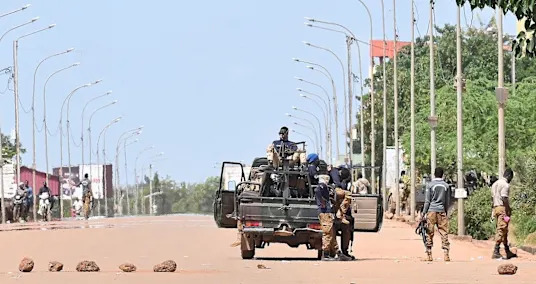
The sharpest setbacks were linked to a wave of military takeovers in the Sahel and parts of central Africa, the Stockholm-based International IDEA said in its Global State of Democracy report. Just last week in Burkina Faso — which saw two coups in 2022, and which remains under military rule — junta leader Ibrahim Traoré told reporters that “people need to forget about democracy.” Mali and Guinea are also governed by military regimes following putsches in recent years. International IDEA said these disruptions weakened electoral credibility, dissolved parliaments, and curtailed judicial independence.
At the same time, the organization noted that Botswana, Mauritius, and South Africa saw gains in electoral administration, and civic participation remained comparatively strong across the continent.
LATEST POSTS
- 1
 Argentina reportedly delaying embassy move over Israeli company's oil project near Falklands
 - 2Signature Scents: A Manual for Outstanding Fragrances
- 3Washington resident is infected with a different type of bird flu
- 4Most loved Web-based feature: Which Stage Do You Like
- 55 Wellbeing Applications Assist You With remaining Fit


- Alix Earle built trust by sharing her acne woes. Now her skin care line is raising questions.
- Under pressure at home, Belgium's leader treads a tight rope with EU partners over funds for Ukraine
- One perk to marrying Richard Marx later in life? 'We don't have time' for stupid arguments, says Daisy Fuentes.
- China bans storing cremated remains in empty 'bone ash apartments'
- 10 Moves toward Start Your Own Effective Business
- Instructions to Warmly greet Certainty and Appeal
- Watch comet C/2026 A1 plunge toward the sun online this week
- IDF strikes Hamas terror cell operating near Israeli troops in northern Gaza
- Pick Your Favored kind of salad