The US-Israel war on Iran and its ripple effect throughout the Middle East have had a devastating impact on Arab countries, with millions expected to slide into poverty, according to the United Nations.
A UN Development Programme (UNDP) report published on Tuesday said that gross domestic product (GDP) in the region was estimated to decline by approximately 3.7 to 6 percent after a month of war, equivalent to a contraction of $120bn to $194bn.
Abdallah Al Dardari, UN assistant secretary-general and director of the UNDP Regional Bureau for Arab States, said that 3.7 million jobs will be lost and about four million more people in the region could fall below the poverty line, noting that the war had highlighted the “fragility in the Arab economy”.
The report was based on projections of “a short but intense conflict lasting for four weeks”, signalling that the impact of the war, which has seen Iran attacking Gulf energy infrastructure and squeezing oil and gas exports through the Strait of Hormuz, will likely be even higher if it drags on longer.
Issued as tight oil supplies pushed Brent crude futures up 4.7 percent to more than $118 per barrel, the report said, “risks in strategic maritime corridors” had “knock‐on effects on inflation, trade flows, and global supply chains” that could undermine livelihoods in the Middle East’s “interconnected economies”.
It added that increases in poverty rates were “concentrated in the Levant and fragile countries (Sudan and Yemen), where baseline vulnerability is highest and shocks translate more strongly into welfare losses”.
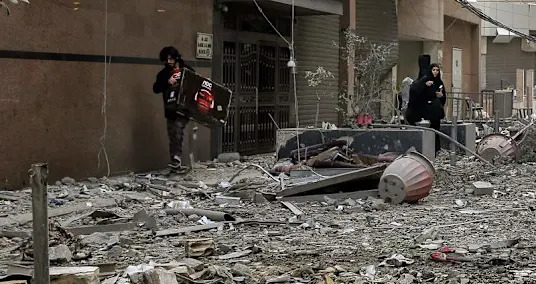
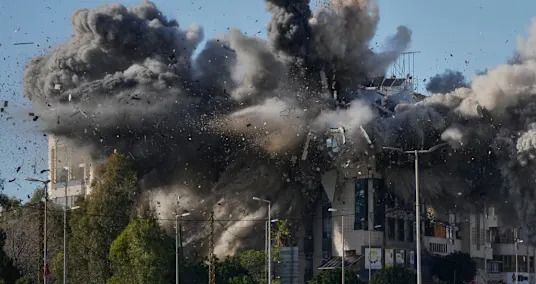
The report noted that Lebanon, dragged into the war after Hezbollah struck Israel in retaliation for the US-Israeli killing of Iran’s Supreme Leader Ayatollah Ali Khamenei on February 28, is especially impacted, with “ongoing air strikes and evacuation orders … already causing widespread destruction of residential areas, transport infrastructure, and public services, alongside large‐scale displacement”.
“We hope the fighting will stop tomorrow, as every day of delay has negative repercussions on the global economy,” said Al Dardari.
LATEST POSTS
- 1
 Find the Standards of Powerful Cooperation: Accomplishing Cooperative energy and Coordinated effort
 - 2The 2026 'Super Bowl of Astronomy' starts today — here's what's happening
- 3L.A.'s most famous midcentury home, the Stahl House, is on the market for the 1st time, at $11K per square foot: See inside
- 4From Iran to Israel: An Iranian volunteer’s unlikely stand in wartime
- 5The most effective method to Alter Your Savvy Bed for A definitive Rest Insight




- Intriguing Strange Cruising Objections you Should Visit
- Old age isn’t a modern phenomenon – many people lived long enough to grow old in the olden days, too
- Journalists killed by Israeli strike in southern Lebanon
- Hitler's madcap mega-railway would have linked Berlin with India
- Activists Took BMW and Mercedes to Court Over Gas Cars. It Didn’t Stick
- 'The Secret Lives of Mormon Wives' Season 3 premieres tomorrow. Here's what you need to know to catch up.
- Step by step instructions to Advance the Eco-friendliness of Your Kona SUV
- Four Dead in Last Month From Animal Attacks in Nepal
- US healthcare spending soars to over $5 trillion in 2024